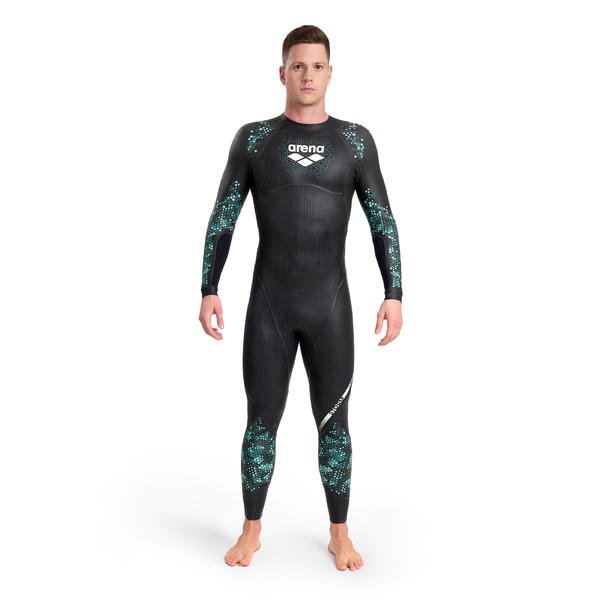
Thunder men's wetsuit, black
Thunder men's wetsuit, black
Couldn't load pickup availability
Thunder wetsuit for beginner open water swimmers and triathletes
The Thunder wetsuit brings comfort to open water swimming and makes it easier to maintain the correct swimming position. The Thunder wetsuit has an optimal combination of flexibility, insulation and especially buoyancy for the needs of a beginner open water swimmer. The wetsuit combines top-class materials and a unique pattern, feels pleasant to wear, fits well and provides optimal support.
The Thunder wetsuit is made entirely of light and durable #38 and #39 Yamamoto Limestone neoprene. The neoprene is reinforced with a Nano SCS coating that reduces water resistance and improves gliding.
In the production of ecological neoprene, oil is not used, but limestone is the basis. Top class neoprene absorbs very little water. The fabric weighs almost the same in water and when dry. This improves the warmth and flexibility of the fabric compared to other thicker wetsuits that absorb more water. Limestone neoprene contains more than 30% more air bubbles at the molecular level compared to oil-based neoprenes. The structure of neoprene is more buoyant in itself and better withstands bumps without tearing compared to traditional oil-based neoprene, whose structure is more interconnected.
The wetsuit has three different strong neoprenes which, when strategically placed, increase buoyancy, improve body position and give room for movement, without compromising the durability of the fabric. The thickest, 4 mm neoprene is in the middle body area, which stabilizes and improves the buoyancy of the suit. The arms and shoulders have the thinnest, 2 mm neoprene, which gives room for the hands and upper body to move and reduces the response in strokes. The 3 mm neoprene of the upper part of the chest and legs warms and helps the legs stay in contact with the surface. Medium-strength neoprene optimally combines flexibility and buoyancy.
The thin neck opening of the wetsuit is made of soft, non-rubbing material. On the back side, the traditional bottom-up zipper is tight and easy to open and close. The double-stitched seams are durable and completely waterproof. Polyester lining on the inside.
The Thunder wetsuit complies with international competition standards. The suit is World Aquatics, World Triathlon (ITU), Ironman and USAT approved.
- High quality, designed for beginners
- #38 Yamamoto Limestone neoprene, Nano SCS coating
- 4 mm neoprene in the middle body, 3 mm in the legs and upper chest, 2 mm in the arms and shoulders
- Soft, non-rubbing neckline
- Bottom-up zipper with improved fastening
- Durable and waterproof seams, double hidden stitching
- World Aquatics, World Triathlon (ITU), Ironman and USAT approved
Material: 100% neoprene, lining 100% polyester
Wetsuit maintenance:
- Rinse with cold water immediately after use, inside and out
- Wash with gentle, diluted soapy water
- Dry inside out on a hanger, in a cool place, without direct sunlight
- Do not machine wash, tumble dry, iron or bleach
- Avoid contact with oils or creams
- Do not leave the suit in the sun, in a car or in a sauna, where the temperature can rise
- Store in a cool and dry place, without a hanger
- Warm up without a wetsuit, so there is no unnecessary pressure on the suit
By taking care of your wetsuit properly, you will extend its life considerably.
Size selection
Size selection
On each wetsuit product page, you'll find a size chart to help you choose the right size. When selecting an Orca wetsuit size, particular attention should be paid to the swimmer's weight. If the swimmer is between sizes, we recommend choosing the size that better matches the weight class. Due to the materials, the fit of the suits varies slightly between different models.
If you have difficulty choosing a size, you can always contact our customer service. You can also try on suitable sizes at our store in Tampere. The availability of suits in our store is limited, so we recommend checking availability in advance by contacting our customer service!
Model selection
Model selection
The choice of wetsuit model is primarily influenced by your needs for the suit. The biggest differences between wetsuits are in their flexibility and buoyancy. These properties are affected by the materials used in the suits, most commonly neoprene, and the thickness of the material.
Wetsuit Care and Storage
Wetsuit Care and Storage
Wash your suit correctly and clean it after every swim
The easiest way is to shower with the wetsuit on immediately after use. Rinse the inside of the suit after you take it off. If a shower is not available, you can use a garden hose or immerse the suit in a bathtub, turn it inside out, and immerse it again. Do not use laundry detergent! We recommend using a wetsuit cleaner every five washes or if the suit smells musty.
Do not wash your suit in a washing machine
Also, do not dry the suit with hot air (e.g., a hairdryer) or in direct sunlight.
Dry your suit correctly
Turn the suit inside out and let it dry from the inside first. This is especially important if you plan to use the suit again the next day. The suit is significantly easier to put on when the inside is dry.
Store your suit in a dry place
Do not store the suit on a hanger for long periods or leave it in, for example, a car for storage.
Do not tear the suit when in a hurry to put it on
Take off jewelry and rings; long nails can also easily tear the suit. If putting on the suit feels difficult, you can use thin cotton gloves (each Orca suit comes with one pair of gloves). If possible, ask a friend to zip up the suit. If you zip it yourself, remember to pull your shoulders together and keep your arms raised when pulling the zipper cord up.
Warm up before putting on the wetsuit
The suit is not designed for exercising on dry land, so its seams will stretch over time if continuously stretched.
Repair cracks and cuts
It is very common for neoprene to develop cuts over time if the suit hits rocks or other sharp corners, for example. Small abrasions and holes are easy to repair at home with a suitable wetsuit glue. If holes are not repaired, they can easily tear into larger ones. You can get more detailed information on suit repair from our customer service.
Your payment information is processed securely. We do not store credit card details nor have access to your credit card information.
Compare the most popular wetsuits

|

|

|

|
|
|
|
2 mm - 2.5 mm |
2 mm - 3 mm |
2 mm - 3 mm |
2 mm - 4 mm |
1.5 mm - 4 mm |
|
|
Excellent |
Excellent |
Excellent |
Dear |
Excellent |
|
|
Yamamoto #38 |
Yamamoto #38 |
Yamamoto #38 & #39 |
Yamamoto #38 |
Yamamoto #39 & #40 |
|
|
Neutral |
Neutral |
Dear |
Excellent |
Dear |
|
|
€229.00 |
€299.00 |
€399.00 |
395.00 € |
€595.00 |
|
|
For the Beginner Open Water Swimmer |
For beginner and active open water swimmers |
For competitive swimmers and technically skilled swimmers |
For the beginner swimmer or triathlete |
For competitive swimmers and technically skilled swimmers |
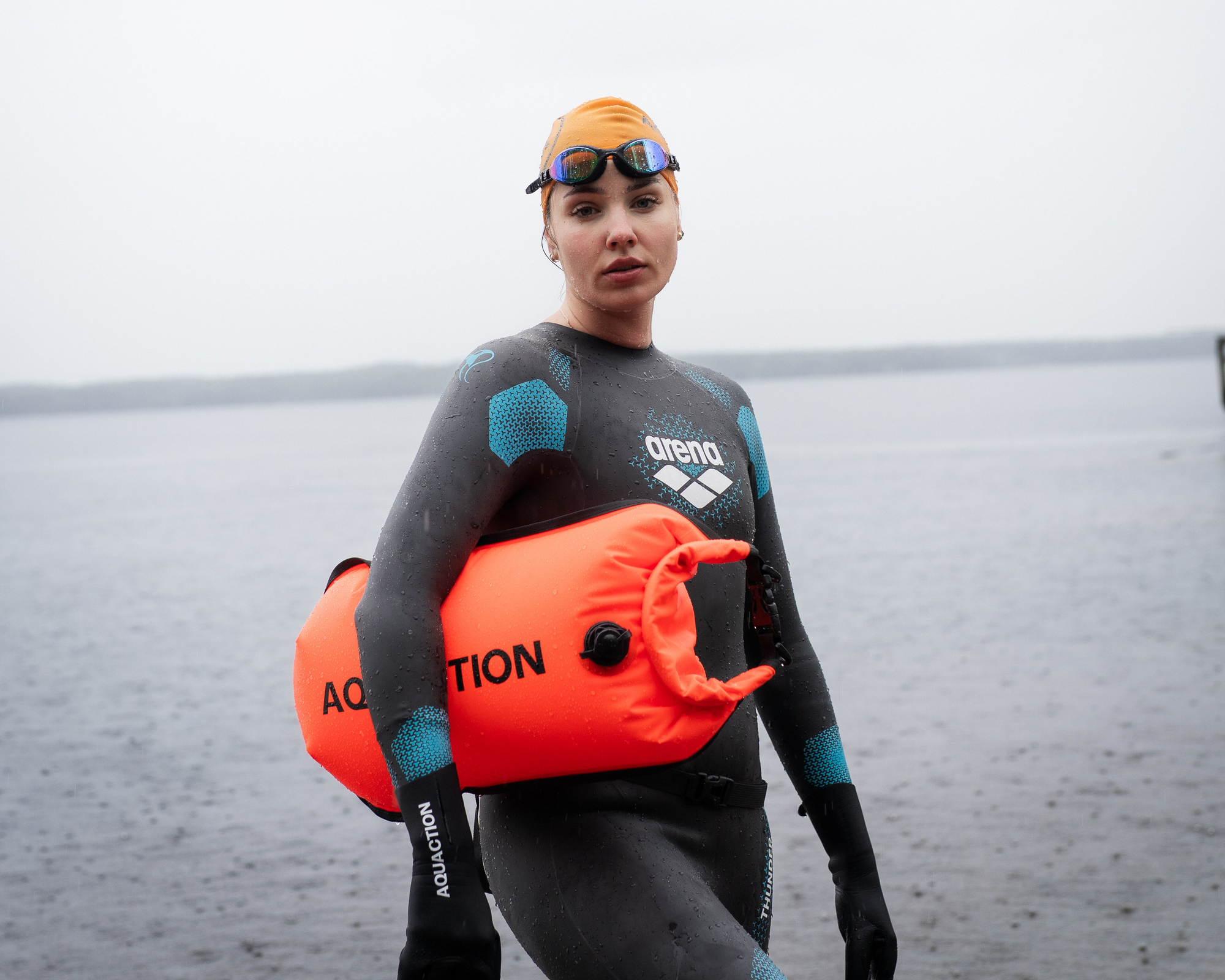
What else do you need to bring with you on the open water?
In addition to a wetsuit, a safe and pleasant swimming experience also requires other equipment. A practically mandatory accessory in addition to a wetsuit is open-water swimming goggles. In addition to swimming goggles, a swimming cap increases your visibility, and a brightly coloured safety buoy further enhances safety. In colder waters, neoprene gloves, socks, and a hood provide additional warmth.
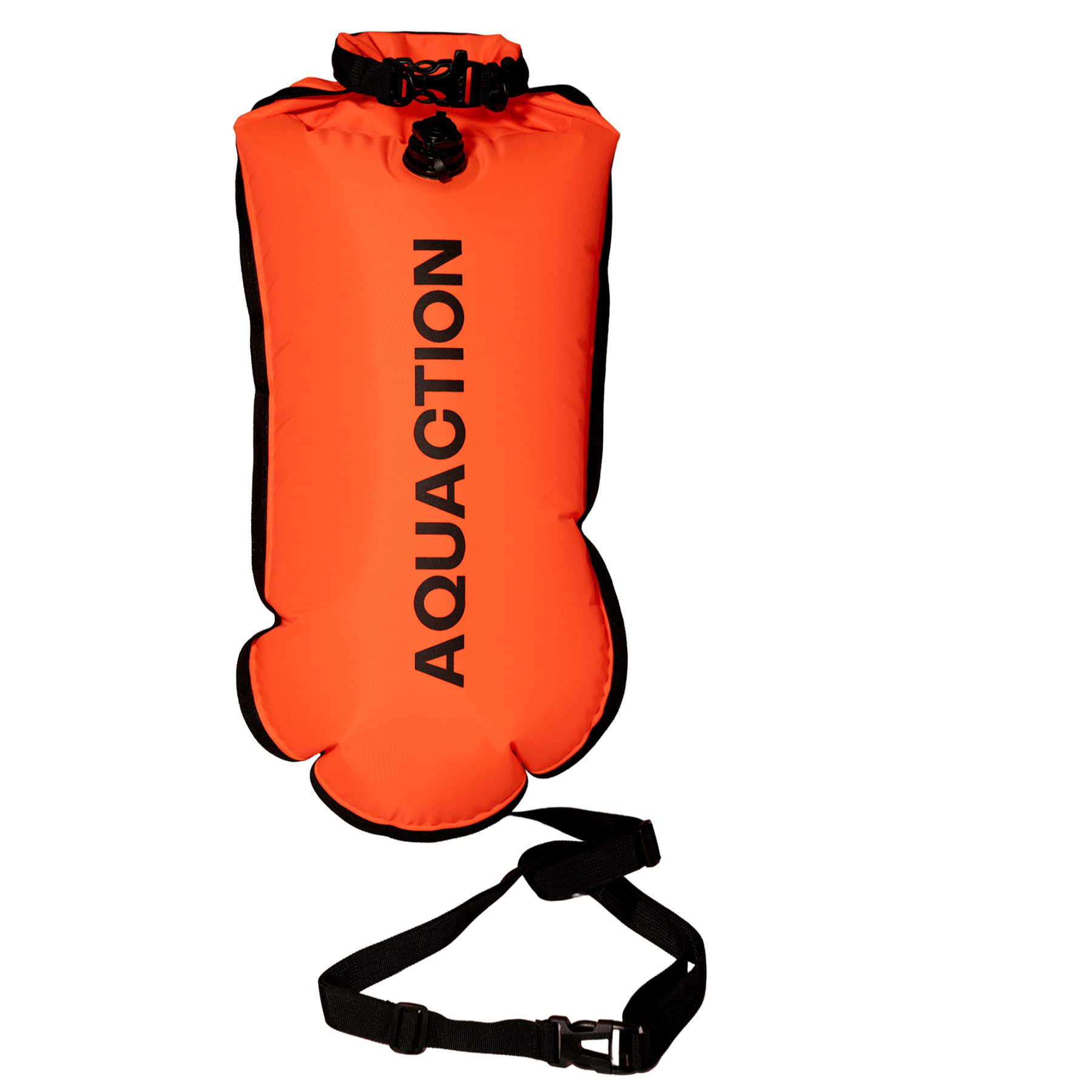
Safety buoy
An inflatable safety buoy increases visibility and safety in open water. Most buoys have a waterproof inner pocket suitable for safely carrying small items, such as car keys, while swimming. The buoy is easily attached to the swimmer's waist with an adjustable belt, allowing it to float on the back without interfering with swimming movements. The bright and distinctive color makes the swimmer more visible to other water users, such as boaters. The buoy can be used as a float for resting if you need a moment of extra support in the water.
Swimming goggles
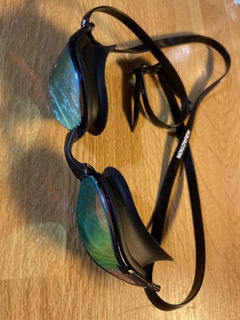
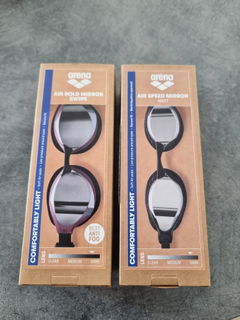
Swimming goggles with a wide lens are often best suited for open water. Thanks to the wide lens, the pressure caused by the goggles is distributed over a larger area, which reduces the pressure created and often feels more comfortable on the face. A wider lens is often more comfortable to wear for longer periods. In open water, this feature is useful as it is often difficult to adjust the position of the goggles in the water.
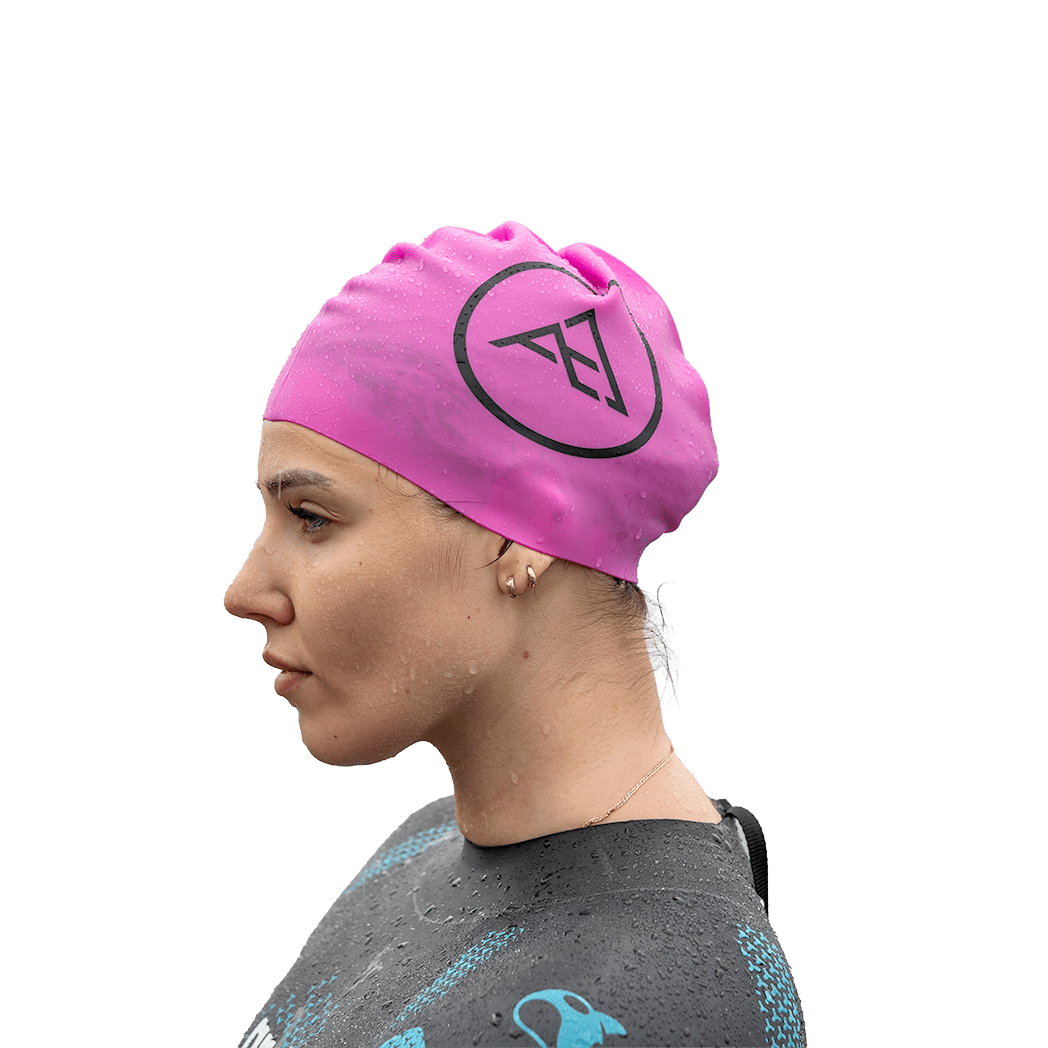
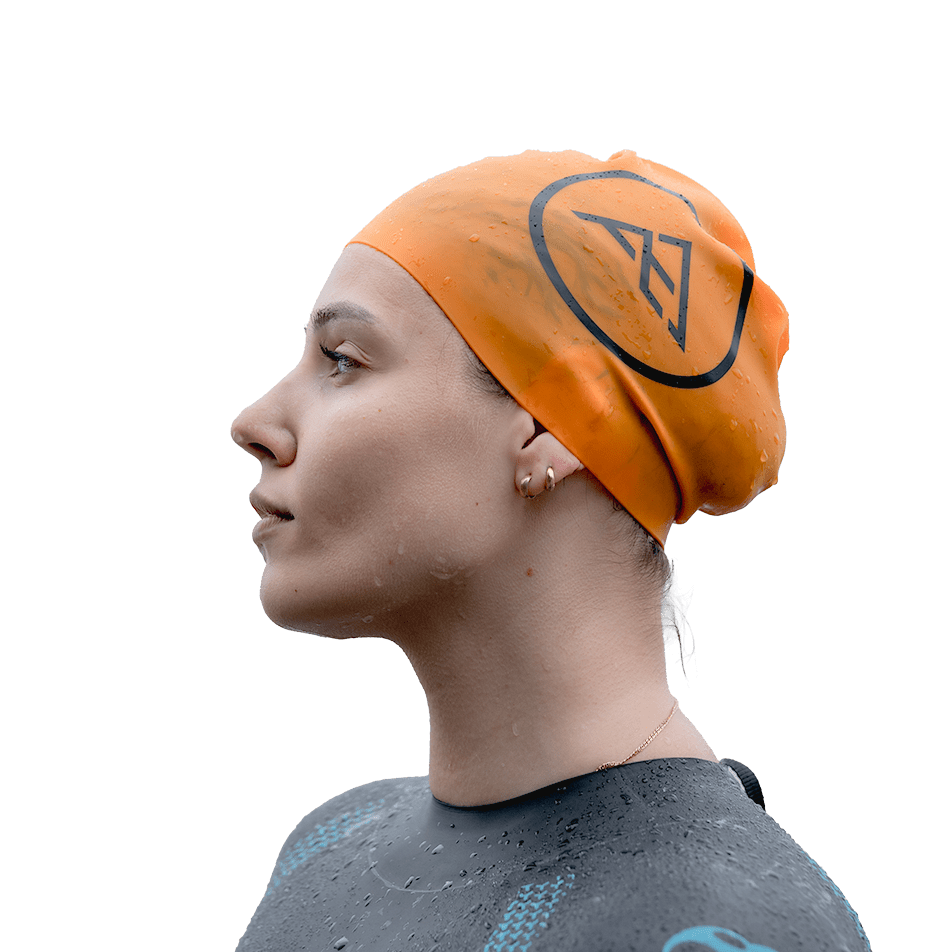
Bathing cap
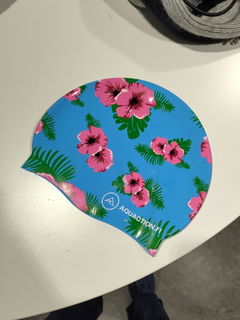
When swimming in open water, you should choose the brightest colored swim cap possible, as it will be visible to other water users, increasing safety. During the season, you can also find neoprene swim caps in our selection.